
Choosing the right kitchenware is an important part of creating a practical, comfortable, and organised kitchen. Whether you are setting up a new home, upgrading your cooking space, or replacing old utensils, selecting suitable products can make everyday kitchen activities easier. The right RTE kitchenware can help improve cooking convenience, food preparation, storage, serving, and kitchen organisation.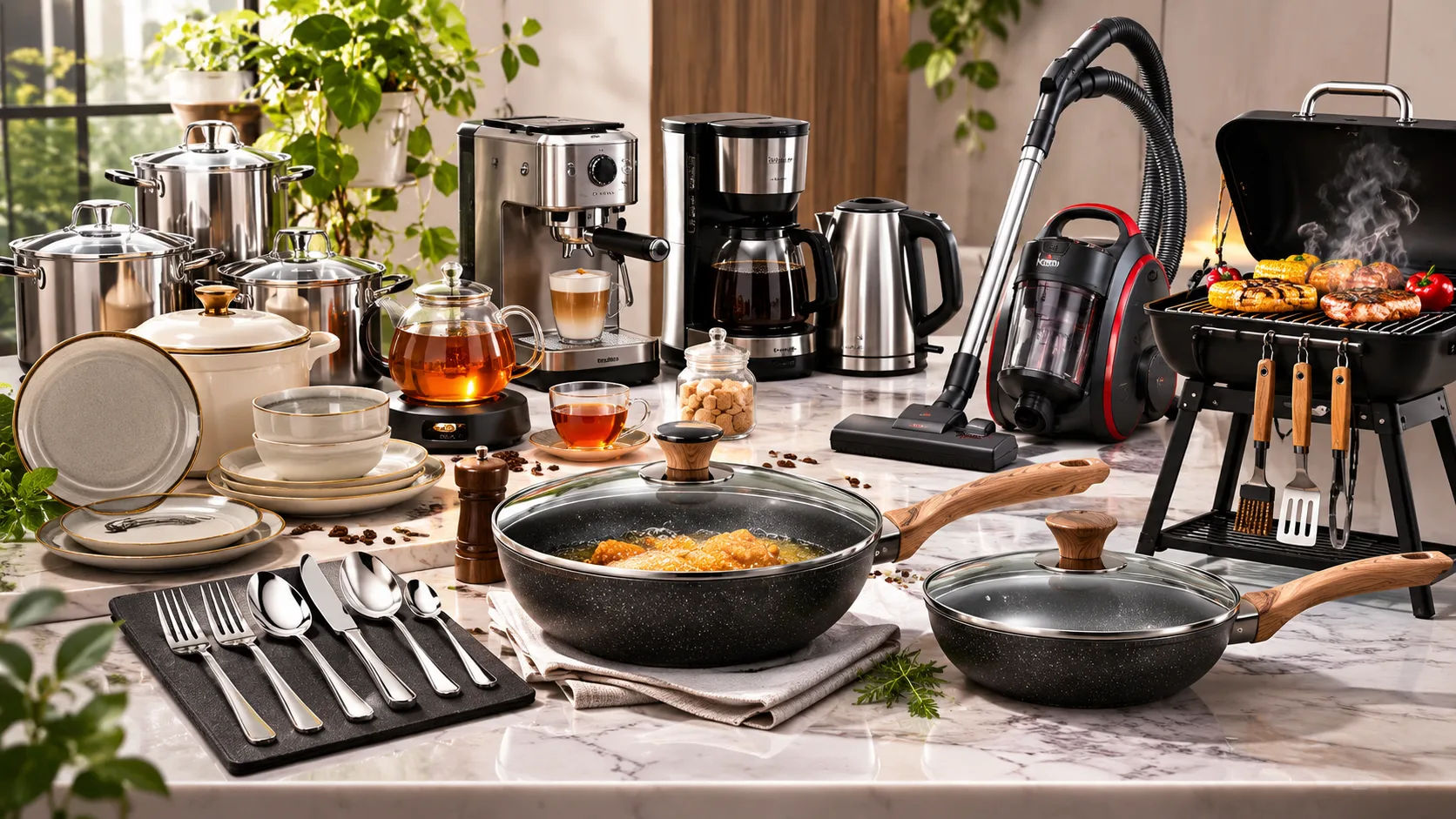
Kitchenware is available in different materials, sizes, designs, and price ranges. However, not every product is suitable for every household. Some items are designed for daily cooking, while others are better for food storage, serving guests, or preparing special meals. Understanding these differences helps you make informed purchasing decisions.
When exploring different options, it is important to consider durability, functionality, safety, maintenance, and overall value. RTE kitchenware should match your cooking habits, available kitchen space, and household requirements. Instead of choosing products simply because they look attractive, focus on items that offer practical benefits and reliable performance.
This comprehensive guide explains how to choose suitable kitchenware, which materials to consider, what features matter most, and how to avoid common buying mistakes.
Kitchenware Requirements
RTE kitchenware anything, identify what you actually need. A well-equipped kitchen does not necessarily require dozens of utensils and accessories. It needs the right combination of useful products.
Consider Your Daily Cooking Habits
Your cooking routine should influence your purchasing decisions. If you prepare meals every day, you may need durable cookware, chopping boards, knives, mixing bowls, and food storage containers.
People who regularly prepare complicated recipes may benefit from specialised tools. These can include measuring cups, strainers, whisks, graters, and baking accessories.
On the other hand, households that prepare simple meals may only need basic cooking and serving equipment.
Understanding your routine prevents unnecessary purchases and helps you spend money on products you will use regularly.
Consider Your Household Size
The number of people in your household also matters.
A small household may need compact cookware, smaller storage containers, and fewer serving dishes. Larger families generally benefit from bigger pots, larger pans, and additional food storage options.
Think about your usual meal portions before selecting product sizes.
Choosing appropriately sized kitchenware helps reduce clutter and makes cooking more efficient.
Identify Essential and Optional Products
Separate your shopping requirements into essential and optional categories.
Essential products include:
-
Cooking pots and pans.
-
Knives and chopping boards.
-
Spatulas and cooking spoons.
-
Mixing bowls.
-
Plates and serving dishes.
-
Food storage containers.
-
Measuring tools.
Optional products include specialised baking tools, decorative serving accessories, and additional preparation equipment.
Start with essentials before purchasing decorative or specialised items.
Choose the Right Kitchenware Materials
Material selection is one of the most important considerations when purchasing kitchen products. Different materials offer different levels of durability, heat resistance, maintenance, and convenience.
Stainless Steel Kitchenware
Stainless steel is a popular material because it is strong, durable, and resistant to rust when properly manufactured and maintained.
It is commonly used for cooking pots, mixing bowls, serving utensils, and food preparation equipment.
Some advantages include:
-
Long-lasting construction.
-
Resistance to corrosion.
-
Easy cleaning.
-
A professional appearance.
-
Compatibility with many cooking methods.
However, stainless steel cookware can sometimes cause food to stick if it is not used correctly.
Look for products with sturdy construction and suitable bases for even heat distribution.
Non-Stick Kitchenware
Glass is commonly used for food storage, baking dishes, measuring containers, and serving bowls.
It is generally non-reactive and does not easily absorb food colours or odours.
Glass containers can also make it easier to identify stored ingredients.
However, ordinary glass may break when dropped or exposed to unsuitable temperature changes.
Always check whether a product is specifically designed for oven, microwave, or freezer use.
Silicone Kitchenware
Wooden utensils offer a traditional appearance and are useful for stirring, mixing, and serving.
They are generally gentle on cookware surfaces and comfortable to hold.
However, wooden products require appropriate cleaning and drying.
Avoid leaving wooden utensils submerged in water for extended periods because moisture can damage the material.
Check Product Quality and Durability
Quality should be a priority when choosing kitchen products. Attractive designs may catch your attention, but construction determines how well an item performs over time.
Examine the Overall Construction
Inspect products carefully before purchasing them.
Look for smooth edges, secure handles, strong joints, and consistent finishing.
Cookware should feel stable when placed on a flat surface. Serving dishes should not have sharp edges or visible manufacturing defects.
For products with moving parts, such as kitchen tools with hinges or adjustable components, check whether the mechanisms operate smoothly.
Good construction can improve safety and reduce the need for frequent replacements.
Check Handle Strength
Handles are especially important for pots, pans, and cooking utensils.
A loose or poorly attached handle can create safety problems when carrying hot food.
Look for comfortable grips and secure attachments.
Heat-resistant handles can improve convenience, but their actual temperature limits should always be checked.
Consider Product Weight
Weight can affect how comfortably you use kitchenware.
Heavy cookware may provide stability and durability, but it can become difficult to lift when filled with food.
Lightweight products are easier to handle, although some may have thinner construction.
Choose a balance between strength and everyday convenience.
Select Kitchenware According to Its Purpose
Different kitchen activities require different equipment. Understanding the purpose of each product helps you build a practical collection.
Cooking Equipment
Cooking equipment includes pots, pans, saucepans, pressure cookers, and other heat-resistant products.
When selecting these items, consider:
-
Your preferred cooking methods.
-
The number of people you cook for.
-
The type of stovetop you use.
-
Heat distribution.
-
Handle comfort.
-
Cleaning requirements.
Check whether cookware is compatible with gas, electric, ceramic, or induction cooking.
Not every product works with every stovetop.
Food Preparation Tools
Preparation tools make cooking more organised and efficient.
Useful examples include knives, peelers, graters, measuring cups, mixing bowls, and chopping boards.
Choose knives that feel comfortable and have suitable blades for their intended purpose.
Chopping boards should be stable and easy to clean.
Mixing bowls are more useful when they come in different sizes, allowing you to prepare ingredients and combine mixtures conveniently.
Food Storage Containers
Serving products include plates, bowls, trays, platters, and serving spoons.
Their design should complement your dining space while remaining practical.
If you regularly entertain guests, consider purchasing serving dishes in coordinated designs.
For everyday use, prioritise products that are comfortable to hold, easy to clean, and sufficiently durable.
Consider Kitchen Space and Storage
Kitchen space can influence which products are suitable for your home.
Large cookware sets may look impressive, but they can become inconvenient if your cupboards are small.
Measure Your Available Space
Before buying larger products, measure your cupboards, drawers, countertops, and shelves.
Check the dimensions of cookware and storage containers.
Consider where each product will be placed after use.
This simple step helps prevent overcrowding and makes your kitchen easier to organise.
Choose Stackable Products
Stackable containers, nesting bowls, and compact cookware can save valuable space.
Products that fit together are particularly useful in smaller kitchens.
Choose storage accessories that provide convenient access without making cupboards difficult to manage.
Avoid Unnecessary Purchases
Buying too many similar products can create clutter.
For example, purchasing several frying pans of nearly identical sizes may not provide much additional value.
Think about how frequently you will use each product.
A smaller collection of useful kitchenware is often more practical than a large collection of rarely used accessories.
Evaluate Safety and Food Hygiene
Kitchenware comes into direct contact with food, hands, and cooking surfaces. Therefore, safety should never be ignored.
Look for Food-Safe Materials
Choose products intended for food contact.
Check product labels and manufacturer information for details about materials, coatings, and usage restrictions.
For plastic containers, verify that they are suitable for the intended food and temperature conditions.
Avoid using damaged products that may contaminate food or create sharp edges.
Check Heat Resistance
Kitchen utensils and cookware should be suitable for the temperatures they will encounter.
Silicone spatulas, plastic handles, and storage containers all have different heat limitations.
Never assume that a product is oven-safe or microwave-safe simply because it looks durable.
Follow the manufacturer's instructions.
Prioritise Easy Cleaning
Kitchen products should be easy to clean because food residue can encourage bacterial growth.
Look for smooth surfaces and designs without unnecessary grooves where food can become trapped.
Dishwasher compatibility can be useful, but not every material is dishwasher-safe.
Wooden utensils, certain non-stick coatings, and delicate serving products may require handwashing.
Compare Prices and Overall Value
Price is an important part of choosing kitchen products, but the cheapest option is not always the most economical.
A low-cost product may need replacement quickly, while a well-made item may provide better long-term value.
Set a Practical Budget
Decide how much you can comfortably spend before shopping.
Divide your budget according to priority.
For example, you may want to invest more in frequently used cookware and knives while choosing affordable options for occasional serving accessories.
This approach helps you purchase essential items without exceeding your budget.
Compare Similar Products
When comparing products, examine more than their prices.
Consider material, construction, size, included accessories, warranty, and cleaning requirements.
Two products may look similar but offer different levels of performance.
Read product descriptions carefully and compare specifications before making a decision.
Look for Reliable Warranties
A manufacturer's warranty can provide additional confidence when purchasing certain kitchen products.
Check what the warranty covers, how long it lasts, and whether there are exclusions.
Keep receipts and product information when purchasing expensive items.
A warranty does not guarantee perfect performance, but it can offer protection against certain manufacturing defects.
Choose Designs That Match Your Kitchen
Appearance also matters because kitchenware contributes to the overall look of your kitchen.
However, style should support functionality rather than replace it.
Select Suitable Colours
Neutral colours such as white, grey, black, and stainless steel can complement different kitchen designs.
Brighter colours may add personality and create an attractive appearance.
Consider your existing cabinets, countertops, and dining accessories when choosing colours.
Coordinated designs can make the kitchen feel more organised.
Balance Modern and Traditional Styles
Modern kitchenware often features simple shapes, clean finishes, and practical designs.
Traditional products may include decorative details and classic patterns.
You do not need to follow only one style.
Combining different designs can create an attractive kitchen as long as the products remain practical.
Prioritise Comfortable Handling
An attractive utensil is not necessarily comfortable to use.
Consider grip, balance, weight, and ease of movement.
Kitchenware should feel natural in your hands, especially when used for extended periods.
Research the Brand and Manufacturer
The manufacturer can influence product quality, customer support, and reliability.
Before purchasing RTE kitchenware, examine the available product information and the reputation of the seller or manufacturer.
Read Customer Reviews
Customer reviews can help you understand how products perform in everyday situations.
Look for repeated comments about durability, cleaning, comfort, and overall usefulness.
Pay attention to detailed reviews rather than relying entirely on star ratings.
If several customers mention the same problem, investigate it before purchasing.
Examine Product Descriptions
Reliable product information should explain the material, dimensions, intended use, and maintenance requirements.
For cookware, check compatibility with different heat sources.
For storage products, examine capacity and temperature limitations.
Avoid making purchasing decisions when important product information is missing.
Check Customer Support
Good customer support can be useful if you experience problems after purchasing.
Look for clear contact information, return policies, and warranty details.
A seller that provides transparent product information makes the buying process more straightforward.
Common Mistakes to Avoid When Buying Kitchenware
Even careful shoppers can make mistakes when selecting kitchen products.
Avoiding the following problems can help you make better purchasing decisions.
Choosing Appearance Over Functionality
Beautiful designs can attract attention, but kitchenware must perform its intended job.
Before purchasing decorative items, consider whether they are comfortable, durable, and useful.
Practical performance should always come first.
Ignoring Material Compatibility
Some products are unsuitable for particular cooking methods or temperatures.
For example, not all cookware works with induction stoves, and not every glass container is designed for oven use.
Always check product specifications.
Purchasing Oversized Sets
Large kitchenware sets sometimes contain items that you rarely use.
Instead of purchasing a complete collection immediately, identify the products you actually need.
You can gradually expand your collection as your cooking requirements change.
Ignoring Maintenance Requirements
Different materials require different cleaning methods.
Some cookware needs careful handling, while wooden utensils require thorough drying.
Consider whether you can comfortably maintain the products you purchase.
Forgetting About Storage
Large products can create storage problems if your kitchen has limited cupboard space.
Check dimensions and consider stackable designs before buying.
How to Maintain Your Kitchenware Properly
Purchasing quality products is only one part of keeping a kitchen organised. Proper maintenance also helps extend the useful life of kitchen equipment.
Clean Products After Every Use
Wash cooking utensils, serving dishes, and food preparation tools after use.
Remove food residue before it becomes difficult to clean.
Use suitable cleaning products according to the manufacturer's recommendations.
Store Items Correctly
Allow wet products to dry before placing them in cupboards.
Store knives safely in suitable holders or protective covers.
Keep lids and containers organised to make them easier to find.
Avoid stacking delicate products in ways that could cause scratches or breakage.
Inspect for Damage
Regularly examine cookware, utensils, and storage containers.
Look for loose handles, damaged coatings, cracks, and worn surfaces.
Replace products that are no longer safe to use.
Follow Manufacturer Instructions
Different kitchen products have different maintenance requirements.
Read care instructions before using new items.
Following these guidelines can help maintain appearance, functionality, and safety.
Conclusion
Choosing the right kitchenware requires careful consideration of quality, materials, functionality, safety, price, and storage requirements. A practical kitchen does not need an excessive number of products. It needs reliable items that make everyday cooking, preparation, storage, and serving easier.
Start by understanding your household size and cooking habits. Identify essential products before considering optional accessories. Select suitable materials such as stainless steel, glass, silicone, wood, and non-stick cookware according to their intended uses.
Pay attention to construction quality, handle strength, heat resistance, and cleaning requirements. These features can influence how comfortable and reliable your kitchen products will be over time. It is also important to measure available storage space and avoid purchasing items that you are unlikely to use.
When comparing RTE kitchenware, consider overall value instead of focusing exclusively on price or appearance. Read customer reviews, examine product specifications, and check the manufacturer's warranty and maintenance instructions. These steps can help you avoid common buying mistakes.
Remember that good kitchenware should support your lifestyle. Whether you prepare simple everyday meals or enjoy experimenting with complicated recipes, the right selection can improve convenience and organisation. By following this comprehensive guide, you can build a kitchen collection that is functional, attractive, safe, and suitable for long-term use.