
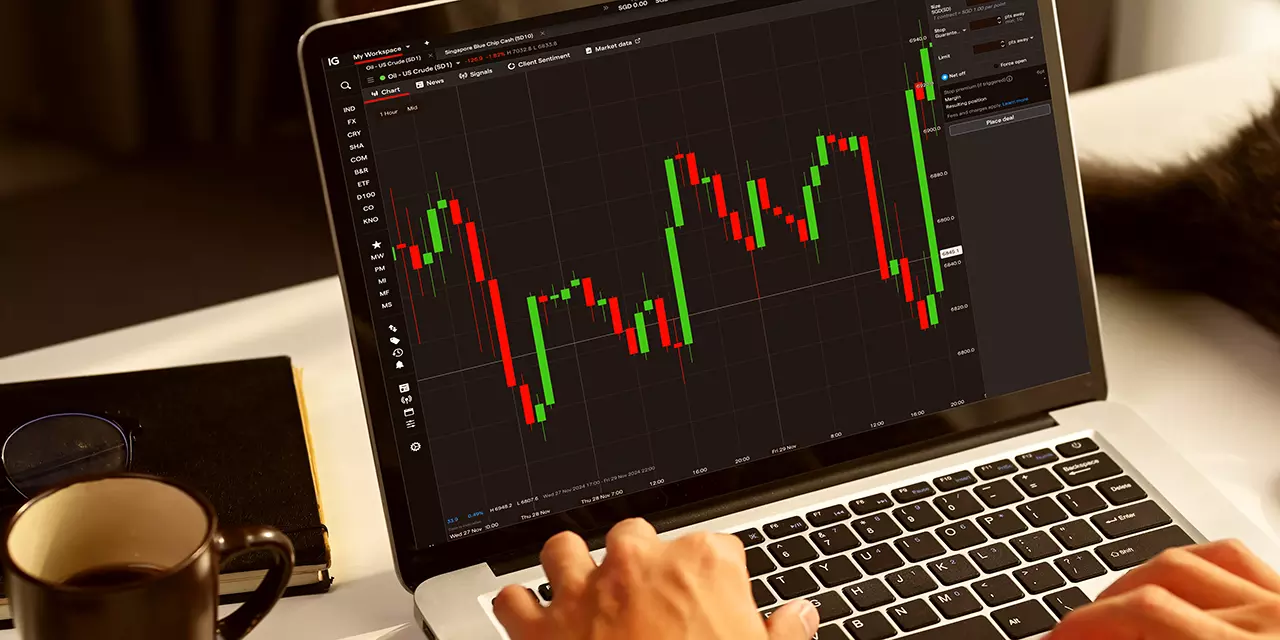
It can be a little like entering a river with strong currents. Yes, there can be thrills, opportunities, and a sense of adventure; however, there can also be a powerful undertow to suck you in. When you are working to pass trading challenges with proprietary trading firms, the situation can be especially critical. Not only are you trading your own money, but you are also attempting to prove you can handle someone else's money correctly. One of the biggest silent profit killers in the forex market has nothing to do with trading strategy. Rather, it has to do with trading costs. Yes, these can add up over time to result in a rather large chunk taken out of your account. If you are working to make the transition to a more streamlined entry into the world of proprietary trading, you should make reducing trading costs a priority. Let's discuss in detail how to start forex trading.
Start With the Basics—But Keep It Practical
First and foremost, you have to have a base. Not the memorize-all-indicators kind of base, but the real-world kind: how orders work, what makes a currency move, and the importance of risk management in keeping you alive in the market.
Prop firms don't care how cool your strategy is; they care if you can trade consistently without blowing up the account. This means knowing position sizing, drawdown limits, and daily loss limits. Many skilled traders have blown the challenge simply because they overtrade and don't follow risk management guidelines.
First, open a demo account. Use it like it's real money. Track your trades. Notice how spreads behave when there's news or when the market is less liquid. This is way more effective than reading tutorials and watching videos.
Why Costs Matter More in Prop Firm Trading
However, when you are trading your own account, you can just add more money to your account. When you are trading with a prop firm, you have to make a certain profit, and you have to do it in a certain amount of time. Every pip counts.
Let’s say you have to make a 10% profit in a month, but you are losing money due to wide spreads on each trade. This is like running a race with ankle weights on. When you have low trading costs, you have more room to breathe. You do not have to make as many pips to make your profit goal, which can prevent you from over-trading.
This applies especially to scalpers and day traders, but even swing traders can benefit from low trading costs. When you are making dozens of trades, you can save a few pips each time.
Choosing the Right Broker Isn’t Just About Reputation
Many newbies choose a broker based on attractive promotions and bonuses. This is a bad strategy. For prop traders, the quality of execution and the cost of trading are much more important than promotions.
Look for:
- Tight spreads on major pairs like EUR/USD
- Fast execution of orders
- Low slippage
- Transparent commissions
- Reliability of the platform
This is true even in quiet market conditions. It is also necessary to test the platform in active market conditions and not just in the middle of the night. A good-looking platform in the middle of the night may not behave well in the active market conditions of the London or New York session.
The Middle Ground: Learning How to Start Smart
Of course, at some point in time, every trader wonders how they can successfully engage in forex trading without feeling overwhelmed. Well, the truth is that you should start small, be consistent, and focus on survival rather than profit. You should also develop a simple trading strategy that you can understand. You should not keep changing trading systems every week. This is also where the importance of low spread forex brokers comes in. This is because when you have low spreads, you can place tighter stop losses without being stopped out prematurely. This means that your trades do not have to make a big move to make money. This is a subtle advantage, and in prop firm evaluation, it is what can make you pass or fail.
Spread vs. Commission: Know the Real Cost
Some brokerages offer "zero spread" accounts, but charge commissions. Others offer slightly wider spreads, but no commissions. Which one is better?
Well, it depends on your trading style.
If you are a frequent trader, you should compare the total cost of each account type. It may turn out that a small commission account is more cost-efficient than a "zero spread" one. For long-term trades, it may be irrelevant, so you may look for stability and execution.
Do not rely on advertised spreads. Instead, look at the live spread for a given session.
Timing Can Reduce Costs Too
Here’s something that many new traders don’t realize: spreads are not static. They can and do change in response to market conditions.
Typically, the following conditions result in the lowest spreads:
- London session
- Overlap of New York session
- High liquidity
In contrast, the following conditions tend to result in wider spreads:
- Sunday market open
- Late New York session
- Major news announcements
- Holidays
If your strategy is flexible enough, trading during peak liquidity can save you a significant amount of money without changing any brokers.
Match Your Strategy to Prop Firm Rules
Some prop firms may have restrictions on the style of trading. For instance, some may not like scalping or may prohibit trading in major news. This can impact the way the spread impacts you.
For instance, if you're holding positions over the course of a few days, the difference of one pip may not matter as much. However, if you're making 5-10 pip scalps, then the spread can be 20-40% of your possible profits.
Before beginning a challenge, make sure your strategy is in alignment with the prop firm's rules and the broker's fees.
Don’t Ignore Platform Performance
Execution speed is just as important as spread. A tight spread means little if your orders slip several pips during fast markets.
Use limit orders where possible. Avoid trading during extreme volatility unless your strategy is built for it. And always test your setup on a demo or small account before going all in on a challenge.
Psychological Benefits of Lower Costs
Trading is already a stressful activity. Having high costs is a stress in itself, since you feel like you're starting each trade off in a deeper hole. Lower spreads give you a more pleasant experience. You're more patient, you're not forcing trades, you're able to stick to your plan more easily.
Technical skills are just as important as emotional control for a prop firm. Anything that takes stress off you indirectly helps you trade better.
Final Thoughts:
The idea of entering forex trading with a desire to join a prop firm is not about finding some hidden secret—it’s about accumulating a series of small advantages. Proper risk management, good execution, and minimized costs are a powerful combination.
Spreads and commissions are like friction. While it’s impossible to get rid of friction completely, it’s possible to reduce it enough that it’s no longer holding you back. Pick a good broker, trade at good times, and fit your style to their rules.
By doing this, you’re giving yourself something that many new traders are lacking: a fair shot. In prop trading, a fair shot is often all that’s required to differentiate yourself from the crowd.